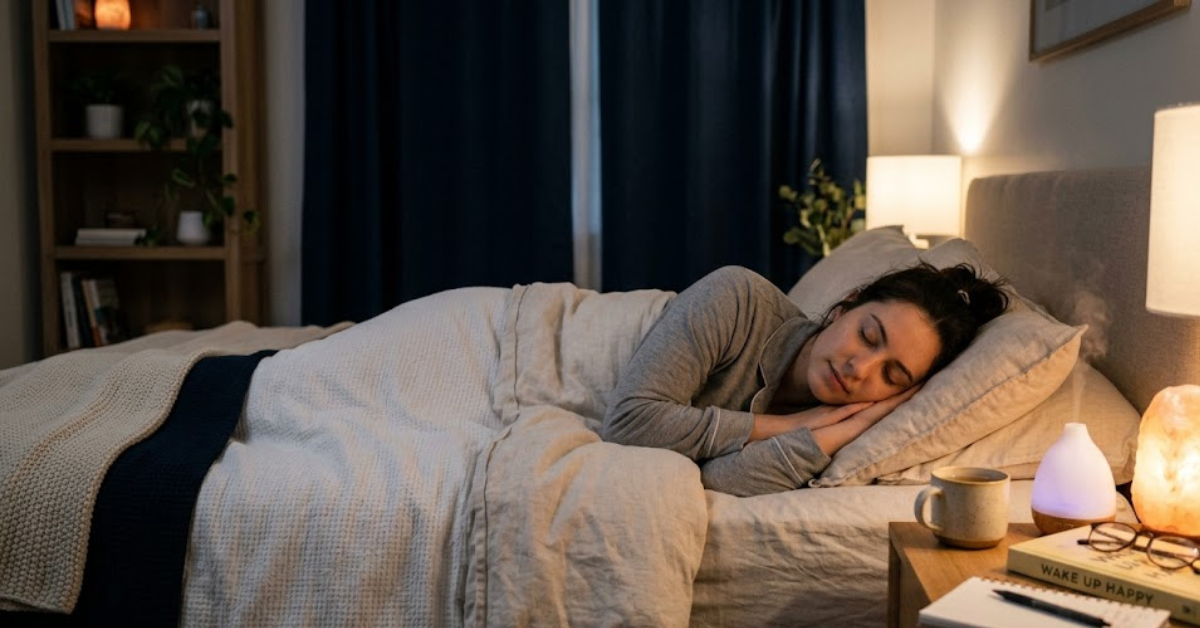

Have you ever found yourself staring at the ceiling, checking the clock every few minutes, and wondering why sleep seems impossible? You’re not alone. Millions of people struggle to fall asleep quickly, whether it’s because of stress, anxiety, an irregular schedule, or simply having too much on their minds.
If you’re searching for how to fall asleep fast, the good news is that there are effective strategies that can help. From relaxation techniques and sleep-friendly habits to proven methods used by military personnel, there are several ways to help your body and mind transition into sleep more efficiently.
This guide covers practical, science-backed techniques that can help you fall asleep faster and improve your overall sleep quality.
Why Is It So Hard to Fall Asleep?
Before exploring solutions, it’s helpful to understand what might be keeping you awake.
Common causes include:
- Stress and anxiety
- Excessive screen time before bed
- Caffeine or nicotine consumption
- Irregular sleep schedules
- Poor sleep environment
- Jet lag
- ADHD-related restlessness
- Insomnia and other sleep disorders
Identifying the root cause can make it easier to choose the most effective sleep strategy.
How to Fall Asleep Fast Naturally
Natural sleep methods focus on working with your body’s internal clock rather than forcing sleep.
Stick to a Consistent Sleep Schedule
Going to bed and waking up at the same time every day helps regulate your circadian rhythm.
Even on weekends, try to keep your schedule within an hour of your normal bedtime and wake-up time.
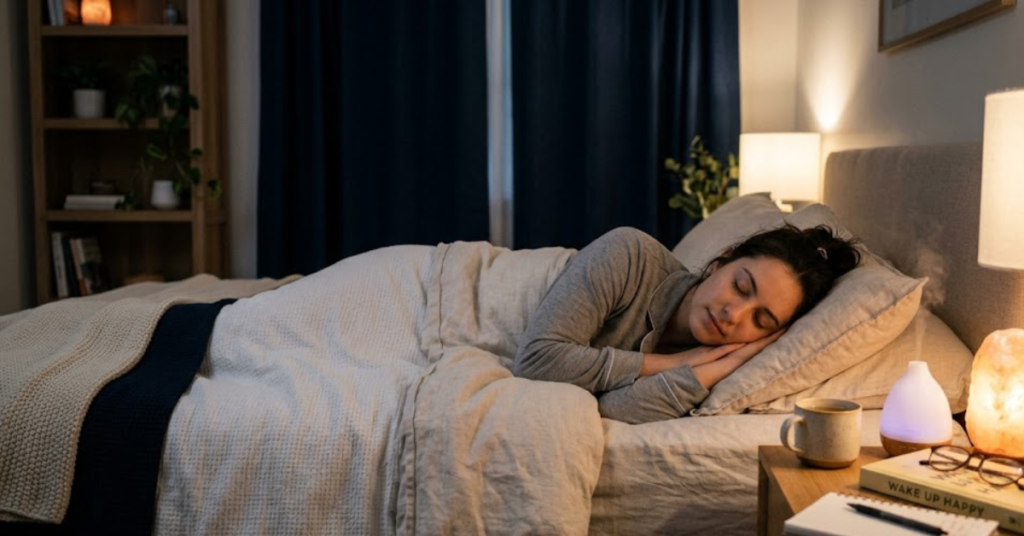
Create a Sleep-Friendly Environment
Your bedroom should encourage rest and relaxation.
Consider these adjustments:
- Keep the room cool
- Use blackout curtains
- Reduce noise levels
- Choose comfortable bedding
- Remove distracting electronics
A dark, quiet environment signals your brain that it’s time to sleep.
Avoid Stimulants Before Bed
Caffeine can remain in your system for several hours. Try limiting coffee, energy drinks, and certain teas in the afternoon and evening.
Large meals and alcohol close to bedtime can also interfere with sleep quality.
The Military Sleep Method
Many people search for how to fall asleep fast military because of a popular technique reportedly used by military personnel.
The method involves:
- Relaxing your facial muscles.
- Dropping your shoulders and releasing tension in your arms.
- Exhaling slowly and relaxing your chest.
- Relaxing your legs from thighs to feet.
- Clearing your mind by visualizing a peaceful scene.
With practice, this technique may help reduce physical tension and encourage sleep.
Breathing Techniques That Help You Fall Asleep
Breathing exercises can calm the nervous system and reduce mental chatter.
Try the 4-7-8 Technique
Follow these steps:
- Inhale through your nose for 4 seconds.
- Hold your breath for 7 seconds.
- Exhale slowly for 8 seconds.
- Repeat several times.
Slow breathing can help lower heart rate and promote relaxation.
Deep Belly Breathing
Place one hand on your stomach and breathe deeply so your abdomen rises more than your chest. This activates the body’s relaxation response and may help you drift off more quickly.
How to Fall Asleep Fast With Anxiety
Anxiety is one of the most common causes of sleeplessness.
Write Down Your Thoughts
Keeping a notebook beside your bed can help you unload worries and unfinished tasks.
Research suggests that writing down concerns may reduce nighttime rumination and make it easier to relax.
Practice Progressive Muscle Relaxation
This technique involves tensing and relaxing muscle groups one at a time.
Start with your toes and work upward through your body. Many people find it helps release physical stress they didn’t realize they were carrying.
Limit News and Social Media Before Bed
Emotionally stimulating content can keep your brain active long after you’ve put your phone down.
Try replacing scrolling with reading, meditation, or calming music.
How to Fall Asleep Fast With ADHD
People with ADHD often experience racing thoughts and difficulty winding down.
Helpful strategies include:
- Following a predictable bedtime routine
- Using white noise or calming sounds
- Exercising regularly during the day
- Avoiding stimulating activities late at night
- Keeping the bedroom clutter-free
Some individuals also benefit from guided meditation or mindfulness exercises before sleep.
Managing Insomnia and Sleep Difficulties
If you’re looking for how to fall asleep fast with insomnia, it’s important to focus on long-term sleep habits.
Get Out of Bed If You Can’t Sleep
Sleep experts often recommend leaving the bed if you’ve been awake for about 20 minutes.
Do a quiet activity such as reading under dim light until you feel sleepy again.
Avoid Watching the Clock
Constantly checking the time increases stress and makes falling asleep harder.
Turn clocks away from your bed if necessary.
Consider Cognitive Behavioral Strategies
Many sleep specialists regard cognitive behavioral therapy for insomnia (CBT-I) as one of the most effective long-term treatments for chronic sleep issues.
How to Fall Asleep Fast Right Now
When you need sleep immediately, combine several techniques:
- Turn off bright screens
- Dim the lights
- Use deep breathing
- Relax your muscles
- Focus on a calming mental image
- Keep your room cool
The goal is to reduce both mental and physical stimulation.
How to Fall Asleep Fast With Jet Lag
Traveling across time zones can disrupt your internal clock.
To recover faster:
- Spend time in natural daylight
- Stay hydrated
- Adjust your schedule gradually
- Avoid long daytime naps
- Follow local meal and sleep times
Most people adjust within a few days, depending on the number of time zones crossed.
Sleep Tips for Children
Many parents search for how to fall asleep fast for kids or ways to help children settle down more easily.
Helpful habits include:
- Consistent bedtimes
- A calming bedtime routine
- Limited screen exposure before sleep
- Reading books together
- Keeping the bedroom comfortable and quiet
For children with ADHD, additional structure and predictable routines often provide the best results.
How to Fall Asleep Fast on Christmas Eve
Excitement can make sleep difficult for children and adults alike.
Try these strategies:
- Follow your normal bedtime routine
- Avoid sugary treats late at night
- Read a calming book
- Use relaxation breathing exercises
- Focus on resting rather than forcing sleep
Reducing pressure to fall asleep often makes sleep come more naturally.
Common Mistakes That Make Falling Asleep Harder
Avoid these habits:
- Using your phone in bed
- Drinking caffeine late in the day
- Taking long evening naps
- Sleeping in excessively on weekends
- Exercising intensely right before bed
- Keeping bright lights on at night
Small changes can have a surprisingly large impact on sleep quality.
Frequently Asked Questions
How can I fall asleep in 5 minutes?
While there is no guaranteed method, combining muscle relaxation, slow breathing, and a dark sleep environment can help many people fall asleep more quickly.
What is the fastest way to fall asleep naturally?
The most effective approach usually combines a consistent sleep schedule, relaxation techniques, and limiting stimulation before bed.
Why can’t I sleep even when I’m tired?
Stress, anxiety, poor sleep habits, caffeine, medical conditions, and sleep disorders can all interfere with sleep despite feeling exhausted.
Does the military sleep method really work?
Many people report positive results, especially when they practice the technique regularly. However, results vary from person to person.
Can ADHD make it harder to fall asleep?
Yes. Racing thoughts, restlessness, and difficulty transitioning between activities can contribute to delayed sleep onset in people with ADHD.
How long should it take to fall asleep?
Most healthy adults fall asleep within 10 to 20 minutes after going to bed.
Conclusion
Learning how to fall asleep fast isn’t about finding a magic trick—it’s about creating the right conditions for sleep. Consistent routines, relaxation techniques, healthy sleep habits, and a comfortable environment can dramatically improve your ability to drift off quickly.
Whether you’re dealing with anxiety, insomnia, ADHD, jet lag, or occasional restlessness, the strategies in this guide can help you build a healthier relationship with sleep. Start by choosing one or two techniques tonight, and gradually create a bedtime routine that works for your lifestyle. Better sleep often begins with small, consistent changes.