
High blood pressure, also called hypertension, happens when blood pushes too forcefully against artery walls for a long period of time. Over time, this extra pressure forces the heart to work harder and can increase the risk of serious health problems, including:
- Heart disease
- Stroke
- Kidney damage
- Vision loss
- Heart attacks
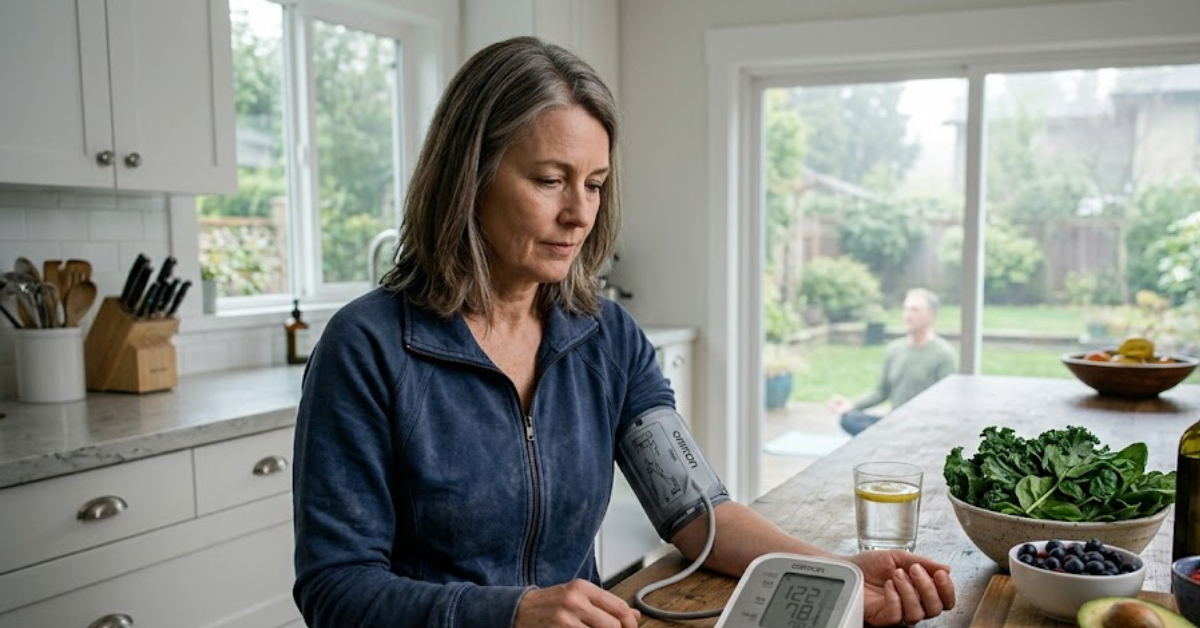
A healthy blood pressure reading is typically around 120/80 mmHg. Consistent readings above 130/80 mmHg may indicate hypertension.
Common Causes of Hypertension
Several factors can contribute to elevated blood pressure. Some are linked to lifestyle habits, while others are related to underlying medical conditions.
Lifestyle Factors
- Excess sodium intake
- Physical inactivity
- Smoking
- Heavy alcohol use
- Chronic stress
- Poor sleep habits
Medical Causes
- Kidney disease
- Diabetes
- Obesity
- Pregnancy-related hypertension
- Certain medications or hormone therapies
Identifying the underlying cause can make treatment and prevention much more effective.
Ways to Reduce Blood Pressure Quickly
If your reading suddenly rises, a few immediate actions may help calm the body and support healthier circulation.
Practice Slow Breathing
Controlled breathing may relax the nervous system and ease temporary spikes.
Try this simple method:
- Inhale for 4 seconds
- Hold for 4 seconds
- Exhale slowly for 6 seconds
Repeat for several minutes.
Sit Quietly and Relax
Stress and movement can temporarily increase readings. Sit comfortably, avoid talking, and rest for at least 10 minutes before checking again.
Drink Water
Dehydration may affect circulation and contribute to higher readings. Drinking water can help restore balance.
Avoid Salty Foods
Processed snacks, canned soups, fast food, and heavily salted meals may worsen elevated readings.
Natural Ways to Support Healthy Blood Pressure
Many people successfully improve cardiovascular health through consistent lifestyle changes.
Eat More Potassium-Rich Foods
Potassium helps balance sodium and supports healthy blood vessel function.
Good options include:
- Bananas
- Spinach
- Sweet potatoes
- Avocados
- Beans
- Yogurt
Follow the DASH Diet
The DASH diet (Dietary Approaches to Stop Hypertension) focuses on whole foods known to support heart health.
Foods to Eat More Often
- Fruits and vegetables
- Whole grains
- Lean proteins
- Nuts and seeds
- Low-fat dairy
Foods to Limit
- Processed foods
- Sugary drinks
- Fried foods
- Excess salt
Research consistently shows this eating pattern can improve cardiovascular health over time.
Exercise Regularly
Physical activity strengthens the heart and improves circulation.
Aim for:
- 150 minutes of moderate exercise weekly
- 30 minutes of walking most days
- Strength training twice per week
Even short walks after meals can help.
Maintain a Healthy Weight
Extra body weight places additional strain on the cardiovascular system. Losing even a small amount of weight may improve readings significantly.
Limit Alcohol and Stop Smoking
Alcohol and tobacco can damage blood vessels and increase cardiovascular strain. Reducing or eliminating both often leads to noticeable improvements.Managing Blood Pressure at Home
Daily habits play a major role in long-term heart health.
Build a Heart-Healthy Routine
Helpful habits include:
- Sleeping 7–9 hours each night
- Staying hydrated
- Managing stress
- Monitoring readings regularly
- Limiting caffeine if sensitive to it
Use Relaxation Techniques
Stress management may help keep readings more stable.
Popular methods include:
- Meditation
- Yoga
- Deep breathing
- Prayer
- Spending time outdoors
Simple Techniques That May Help Within Minutes
Although lasting improvement takes consistency, a few methods may temporarily reduce elevated readings.
Guided Breathing
Slow breathing can relax blood vessels and calm stress hormones.
Take a Short Walk
A gentle 10-minute walk may improve circulation and help the body relax.
Listen to Calming Music
Relaxing music may ease stress-related increases after a busy day.
When High Blood Pressure Becomes an Emergency
Extremely elevated readings can become dangerous, especially when symptoms are present.
Seek immediate medical care if high blood pressure occurs alongside:
- Chest pain
- Severe headache
- Shortness of breath
- Vision changes
- Numbness
- Confusion
While waiting for medical help:
- Sit calmly
- Loosen tight clothing
- Breathe slowly
- Avoid panic
Do not take additional medication unless instructed by a healthcare professional.
Blood Pressure During Pregnancy
Hypertension during pregnancy requires close medical attention because it can affect both mother and baby.
Safe Habits During Pregnancy
- Reduce sodium intake
- Drink plenty of water
- Stay physically active with doctor approval
- Eat balanced meals
- Attend prenatal appointments regularly
Warning Signs to Watch For
Contact a healthcare provider immediately if you experience:
- Swelling in the face or hands
- Severe headaches
- Vision changes
- Sudden weight gain
These symptoms may signal preeclampsia, a serious pregnancy complication.
Testosterone Therapy and Blood Pressure
Some individuals notice elevated readings while using testosterone therapy.
Helpful management tips include:
- Monitor readings consistently
- Exercise regularly
- Reduce sodium intake
- Maintain a healthy weight
- Discuss dosage concerns with a doctor
Managing Blood Pressure While Sick
Illness, fever, dehydration, and certain medications may temporarily affect blood pressure levels.
Helpful strategies include:
- Drinking fluids regularly
- Getting adequate rest
- Avoiding stimulant-based cold medicines
- Eating light, nutritious meals
If readings remain elevated after recovery, consult a healthcare professional.
Preparing for a Blood Pressure Test
Stress before medical appointments can temporarily raise readings, sometimes called “white coat hypertension.”
Before Your Appointment
- Avoid caffeine for 30 minutes beforehand
- Empty your bladder
- Sit quietly for 5–10 minutes
- Keep both feet flat on the floor
- Breathe slowly and evenly
These small adjustments can improve accuracy.
Foods That Support Heart Health
Certain foods may naturally support healthy circulation and cardiovascular function.
Helpful Foods
- Leafy greens
- Berries
- Oats
- Salmon
- Garlic
- Beets
- Olive oil
- Dark chocolate in moderation
Adding these regularly may support long-term improvement.
Habits That May Raise Blood Pressure
Some everyday habits can quietly contribute to hypertension.
Common Triggers
- Excess sodium
- Chronic stress
- Poor sleep
- Too much caffeine
- Lack of physical activity
- Skipping medications
Identifying these habits often helps improve control.
FAQs
What helps reduce blood pressure naturally?
Healthy eating, regular exercise, stress management, weight control, and reduced sodium intake are among the most effective natural approaches.
Can drinking water help?
Yes. Staying hydrated supports circulation and may help if dehydration contributes to elevated readings.
Is medication always necessary?
Not always. Some people improve significantly through lifestyle changes, although others may still require medication based on their condition.
Which foods should be avoided?
Highly processed foods, salty snacks, sugary drinks, and excessive alcohol are common triggers.
Can anxiety affect blood pressure?
Yes. Stress and anxiety can temporarily increase readings due to stress hormone release.
How long does improvement take?
Some changes may appear within days or weeks, while long-term progress often takes several months of consistency.
Is hypertension dangerous during pregnancy?
Yes. Pregnancy-related hypertension can become serious if untreated, which is why regular monitoring is important.
Conclusion
Improving blood pressure often starts with small, consistent lifestyle changes. Better nutrition, regular movement, stress management, quality sleep, and healthy daily habits can make a major difference over time.
If readings remain consistently elevated, consult a healthcare professional for personalized advice and treatment options. Early action can help protect your heart, blood vessels, kidneys, and overall health for years to come.