
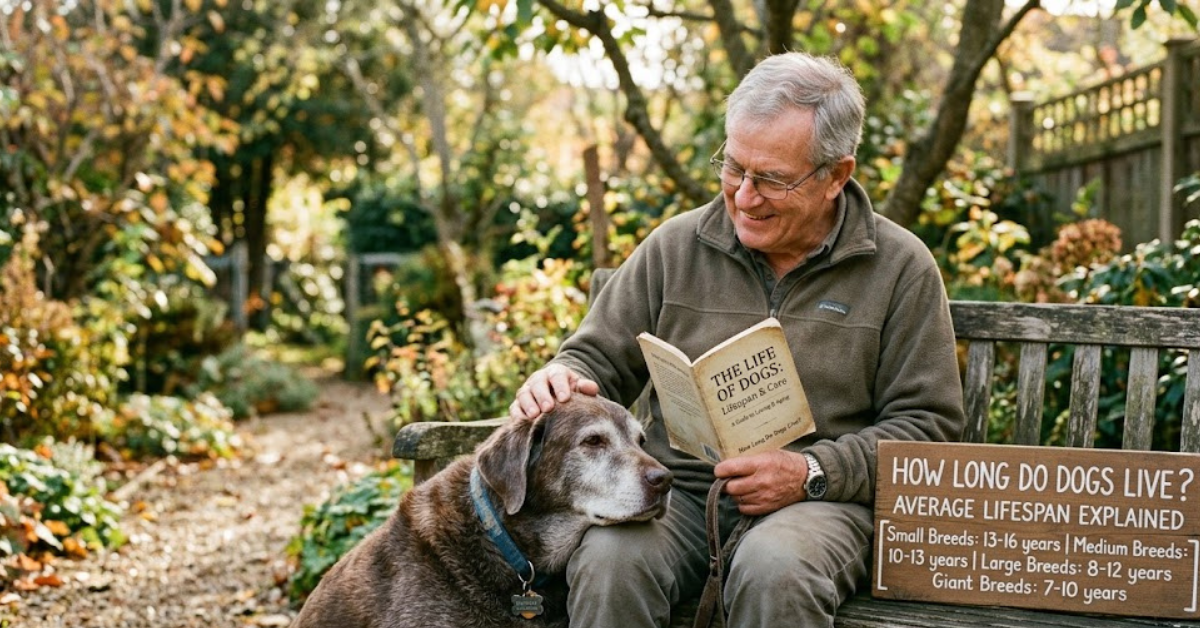

Dogs become part of the family so quickly that many owners wish they could stay forever. One of the most common questions pet lovers ask is: how long do dogs live? The answer depends on several factors, including breed, size, genetics, diet, lifestyle, and overall health.
Some dogs live just 7 to 10 years, while others can happily reach 15 years or more. Understanding a dog’s lifespan can help owners provide better care and prepare for each stage of life. In this guide, we’ll explore average dog lifespans, how age compares to human years, and how different health conditions affect longevity.
How Long Do Dogs Live on Average?
On average, most dogs live between 10 and 13 years. However, this number varies greatly depending on the breed and size of the dog.
Here’s a general breakdown:
- Small dogs: 12–16 years
- Medium dogs: 10–14 years
- Large dogs: 8–12 years
- Giant breeds: 7–10 years
Smaller breeds often outlive larger breeds. For example, a Chihuahua may live well into its late teens, while a Great Dane usually has a shorter lifespan.
Why Do Smaller Dogs Live Longer?
Researchers still study this question, but it’s believed that larger dogs age faster because their bodies grow rapidly. Faster growth may place more stress on organs and tissues over time.
Small breeds also tend to develop age-related diseases later in life compared to giant breeds.
How Long Do Dogs Live in Human Years?
Many people wonder how long do dogs live in human years because the old “1 dog year equals 7 human years” rule is not entirely accurate.
Dogs age differently depending on their breed and life stage.
A more realistic estimate looks like this:
- The first year of a dog’s life equals about 15 human years
- The second year equals roughly 9 human years
- After that, each dog year equals around 4–6 human years
Large dogs typically age faster than small dogs. That means a 7-year-old Great Dane may be considered a senior, while a 7-year-old toy poodle could still be quite active.
How Long Do Dogs Live for by Breed?
Breed has one of the biggest impacts on lifespan.
Small Dog Breeds
If you’re wondering how long do dogs live small breeds tend to have the advantage. Many small dogs live 14 years or longer.
Common examples include:
- Chihuahua: 14–17 years
- Dachshund: 12–16 years
- Shih Tzu: 10–16 years
- Toy Poodle: 12–18 years
German Shepherd Lifespan
People often search how long do dogs live German Shepherd because this popular breed is known for loyalty and intelligence.
German Shepherds usually live between 9 and 13 years. Their lifespan can be affected by hip dysplasia, arthritis, and degenerative conditions common in large breeds.
Pitbull Lifespan
How long do dogs live pitbull owners often ask? Pitbulls generally live around 12 to 14 years when properly cared for.
They are considered fairly hardy dogs, although they can develop allergies, joint issues, and heart disease later in life.
Factors That Affect a Dog’s Lifespan
A dog’s lifespan is influenced by more than genetics alone. Daily habits and medical care play a major role.
Diet and Nutrition
Dogs fed balanced, high-quality diets tend to live longer. Obesity significantly increases the risk of:
- Diabetes
- Heart disease
- Joint problems
- Shortened lifespan
Maintaining a healthy weight is one of the best ways to support longevity.
Exercise
Regular activity helps keep a dog’s heart, muscles, and joints healthy. Exercise also reduces stress and improves mental stimulation.
Even older dogs benefit from gentle daily walks.
Veterinary Care
Routine checkups can catch diseases early before they become severe. Preventive care includes:
- Vaccinations
- Dental cleanings
- Parasite prevention
- Blood testing
- Cancer screenings
Dogs receiving regular veterinary attention often live healthier lives.
Environment and Stress
Dogs living in safe, loving environments generally experience fewer health issues. Chronic stress and poor living conditions can negatively affect the immune system.
How Long Do Dogs Live in Dog Years?
The phrase “dog years” refers to how quickly dogs mature compared to humans. Puppies develop extremely fast during their first two years.
A simple way to think about dog years:
- Small breeds age slower after adulthood
- Large breeds age faster overall
- Senior years arrive earlier for giant dogs
Veterinarians now use size-based aging charts instead of the old seven-year formula.
How Long Do Dogs Live in the Wild?
Domestic dogs usually live longer than wild dogs because they receive food, shelter, and medical care.
Wild dogs often survive only 3 to 6 years due to:
- Starvation
- Injury
- Disease
- Predators
- Harsh weather
Stray dogs also tend to have shorter lifespans than household pets.
Lifespan With Common Health Conditions
Many owners search for answers after their dog receives a serious diagnosis. While survival times vary, treatment and early care can improve both lifespan and quality of life.
How Long Do Dogs Live With Lymphoma?
Lymphoma is a common cancer in dogs affecting the lymphatic system.
Without treatment, dogs may survive only 1 to 2 months. With chemotherapy, many dogs live 9 to 15 months or longer depending on the cancer type and response to treatment.
How Long Do Dogs Live With Congestive Heart Failure?
Congestive heart failure occurs when the heart cannot pump blood efficiently.
With medication and proper care, some dogs lives 6 months to 2 years after diagnosis. Early detection greatly improves outcomes.
Symptoms may include:
- Coughing
- Fatigue
- Breathing difficulty
- Swollen abdomen
How Long Do Dogs Lives With Kidney Disease?
Kidney disease can be chronic or sudden.
Dogs with mild chronic kidney disease may live several years with proper treatment and diet changes. Advanced kidney failure usually shortens survival considerably.
Treatment often includes:
- Prescription diets
- Fluid therapy
- Medications
- Blood pressure control
How Long Do Dogs Live With Kidney Failure?
Acute kidney failure can become life-threatening quickly. Survival depends on the cause and how early treatment begins.
Some dogs recover fully, while others may survive only days or weeks if damage is severe.
How Long Do Dogs Live With Diabetes?
Diabetes in dogs is manageable with insulin and proper monitoring.
Many diabetic dogs lives normal lifespans when owners consistently manage:
- Blood sugar
- Diet
- Exercise
- Medication schedules
Untreated diabetes can lead to serious complications.
How Long Do Dogs Live With Dementia?
Canine cognitive dysfunction, often called dog dementia, affects memory and behavior in older dogs.
Dogs may live several years after diagnosis, although symptoms gradually worsen over time. Mental stimulation and medication can help improve quality of life.
How Long Do Dogs Live With Sundowners?
Sundowners syndrome refers to nighttime confusion and anxiety often associated with canine dementia.
Dogs can continue living for months or years depending on the progression of cognitive decline and overall health.
How Long Do Dogs Live With Cushing’s Disease?
Cushing’s disease happens when the body produces too much cortisol.
With treatment, many dogs live 2 to 4 years or longer after diagnosis. Smaller dogs often respond especially well to medication.
How Long Do Dogs Live With Heartworms?
Heartworm disease damages the heart and lungs.
With treatment, many dogs recover and live normal lives. Without treatment, severe heartworm infection can become fatal within months or years.
Prevention remains the safest approach.
How Long Do Dogs Live After Tumor Removal?
The outcome depends on whether the tumor was benign or cancerous.
Benign tumors often have little impact on lifespan once removed. Cancerous tumors vary greatly depending on:
- Tumor type
- Stage
- Surgical success
- Spread to other organs
Some dogs lives many years after surgery, especially with early detection.
Signs Your Dog Is Aging
As dogs grow older, owners may notice physical and behavioral changes.
Common signs of aging include:
- Slower movement
- Gray hair around the face
- Reduced hearing or vision
- Increased sleeping
- Weight changes
- Joint stiffness
Senior dogs benefit from more frequent veterinary visits and lifestyle adjustments.
Tips
While genetics matter, healthy habits can make a major difference.
1. Feed a Balanced Diet
Choose high-quality food suited to your dog’s age, breed, and activity level.
2. Keep Your Dog Active
Daily exercise supports heart health, weight control, and mental stimulation.
3. Maintain a Healthy Weight
Obesity can shorten lifespan dramatically.
4. Schedule Regular Vet Visits
Routine exams help detect illness early.
5. Prioritize Dental Care
Dental disease can lead to infections affecting the heart and kidneys.
6. Provide Mental Enrichment
Interactive toys, training, and socialization keep dogs mentally sharp.
FAQs About Dog Lifespan
How long do dogs live on average?
Most dogs live between 10 and 13 years, although small breeds often live longer than large breeds.
Which dog breeds live the longest?
Small breeds such as Chihuahuas, Toy Poodles, and Dachshunds are among the longest-living dogs.
Do mixed-breed dogs live longer?
Mixed-breed dogs sometimes have fewer inherited genetic conditions, which may contribute to longer lifespans.
At what age is a dog considered old?
Small dogs are often considered seniors around age 10, while large dogs may reach senior status by age 6 or 7.
Can dogs live to 20 years old?
Yes, although it is uncommon. Some small breeds can reach 18 to 20 years with excellent care and genetics.
Does indoor living increase lifespan?
Generally, yes. Indoor dogs are protected from traffic, predators, disease exposure, and harsh weather.
Conclusion
Understanding how long do dogs live helps owners make informed decisions about nutrition, healthcare, and daily care. While the average lifespan varies by breed and health status, many dogs enjoy long, happy lives when given proper attention and preventive care.
From small companion breeds to large working dogs, every dog benefits from regular exercise, balanced nutrition, and early medical treatment when health problems arise. Whether you’re caring for a playful puppy or an aging senior, the goal is not only a longer life but also a healthier and more comfortable one.
If you want your dog to thrive for as many years as possible, start with consistent care, regular vet visits, and plenty of love every day.