
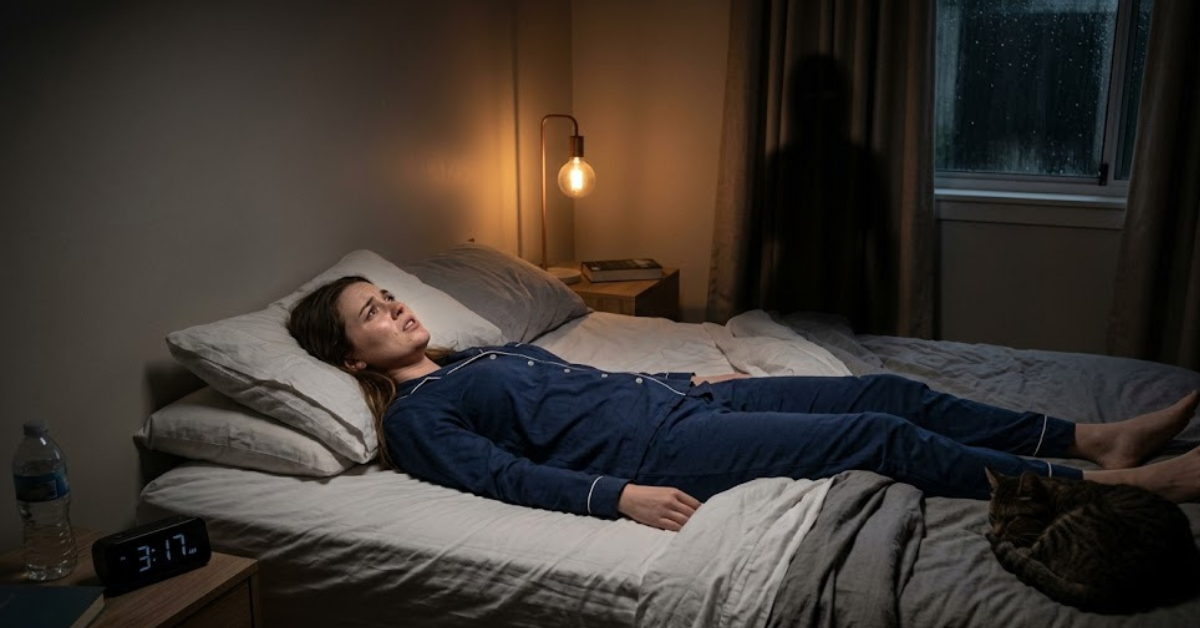

Imagine waking up in the middle of the night, fully aware of your surroundings, but unable to move or speak. Your chest feels heavy, your body frozen, and sometimes it even feels like someone is standing in the room watching you. For many people, this terrifying experience is known as sleep paralysis.
If you’ve ever wondered what causes sleep paralysis, you’re not alone. Millions of people experience it at least once in their lives, and while it can feel supernatural or frightening, science has a very clear explanation behind it.
In this article, we’ll explore the scientific causes of sleep paralysis, why hallucinations happen, possible spiritual interpretations, common triggers in adults and children, and practical ways to prevent future episodes.
What Is Sleep Paralysis?
Sleep paralysis is a temporary inability to move or speak while falling asleep or waking up. It usually lasts anywhere from a few seconds to a couple of minutes.
During an episode, your brain becomes awake before your body fully exits REM (Rapid Eye Movement) sleep. REM sleep is the stage where vivid dreaming occurs, and during this phase, your muscles are naturally relaxed to prevent you from acting out dreams.
When the brain wakes up too early while the body remains in this sleep state, sleep paralysis happens.
What Causes Sleep Paralysis Scientifically?
The scientific explanation behind sleep paralysis is linked to disrupted REM sleep cycles.
During REM sleep:
- The brain is highly active
- Dreams become vivid
- Muscles temporarily shut down
- Breathing patterns change
Normally, the body and brain wake up together. But when this process becomes uncoordinated, a person may regain consciousness while muscle paralysis remains active for a short time.
Researchers believe several factors can interfere with REM sleep and trigger episodes.
Common Scientific Causes Include:
- Sleep deprivation
- Irregular sleeping schedules
- Anxiety and stress
- Narcolepsy
- Sleeping on the back
- Mental health conditions
- Trauma or PTSD
- Certain medications
- Poor sleep quality
This explains what causes sleep paralysis scientifically and why it often occurs during periods of emotional or physical exhaustion.
What Causes Sleep Paralysis and Hallucinations?
One of the most disturbing parts of sleep paralysis is the hallucinations. Many people report:
- Seeing shadowy figures
- Hearing whispers or footsteps
- Feeling pressure on the chest
- Sensing a presence nearby
- Feeling touched or grabbed
These experiences happen because the brain is partially dreaming while awake.
In simple terms, your mind is caught between dreaming and consciousness. Since REM dreams are still active, dream imagery can spill into reality-like awareness.
This is what causes sleep paralysis hallucinations and why they often feel incredibly real.
What Causes Sleep Paralysis Demon Experiences?
The phrase “sleep paralysis demon” became popular online because many people describe similar frightening figures during episodes.
Historically, different cultures interpreted these visions as:
- Evil spirits
- Demons
- Ghosts
- Witches
- Supernatural attacks
However, modern sleep science explains these visions as REM-related hallucinations mixed with fear responses in the brain.
The brain tries to make sense of temporary paralysis and panic, which can create threatening dream-like figures.
So when people ask what causes sleep paralysis demon experiences, the answer is usually a combination of:
- REM sleep disruption
- Fear and panic
- Hallucinations
- Heightened brain activity during awakening
What Causes Sleep Paralysis Nightmares?
Sleep paralysis nightmares often occur because the brain is still partially dreaming.
Unlike regular nightmares that happen fully asleep, sleep paralysis nightmares occur when awareness returns before the dream state completely ends.
Stress and anxiety can intensify these frightening dream elements. People dealing with emotional strain are more likely to experience vivid and disturbing episodes.
Common nightmare themes include:
- Being chased
- Feeling trapped
- Suffocation
- Intruders in the room
- Paranormal encounters
What Causes Sleep Paralysis in Adults?
Adults commonly experience sleep paralysis due to lifestyle-related sleep disruptions.
Major Causes in Adults
Stress and Anxiety
Mental stress is one of the strongest triggers. Anxiety can disrupt normal sleep cycles and increase nighttime awakenings.
Lack of Sleep
Sleep deprivation interferes with healthy REM sleep patterns, making episodes more likely.
Shift Work
People who work night shifts or rotating schedules often have irregular sleep rhythms.
Mental Health Conditions
Conditions like depression, panic disorder, and PTSD are associated with higher rates of sleep paralysis.
Sleep Disorders
Narcolepsy is strongly linked to frequent episodes.
Understanding what causes sleep paralysis in adults often comes down to identifying poor sleep habits and emotional stress.
What Causes Sleep Paralysis in Children?
Sleep paralysis can happen in children and teenagers too, although it may be less commonly discussed.
Possible causes include:
- Poor sleep routines
- Anxiety
- Night terrors
- Lack of sleep
- High stress levels
- Family history of sleep disorders
Children may struggle to explain the experience, which can make it even more frightening for them.
Parents should encourage healthy sleep schedules and seek medical advice if episodes become frequent.
What Causes Sleep Paralysis Spiritually?
Many cultures have spiritual interpretations of sleep paralysis.
Some people believe episodes are connected to:
- Spiritual attacks
- Negative energy
- Astral projection
- Paranormal experiences
- Demonic presence
While these beliefs can be meaningful within cultural or religious traditions, there is no scientific evidence proving supernatural causes.
Medical experts generally classify sleep paralysis as a neurological sleep phenomenon connected to REM sleep disruption.
Still, spiritual beliefs remain an important part of how some individuals understand their experiences.
What Causes Sleep Paralysis Dreams?
Dream-like experiences during sleep paralysis happen because parts of the brain remain in REM sleep while consciousness returns.
These dreams may blend with real surroundings, creating vivid sensory experiences.
This explains why some people:
- See realistic figures
- Hear voices
- Feel physical sensations
- Experience floating sensations
The brain is essentially producing dream content while the person is awake enough to remember it clearly.
Risk Factors That Increase Sleep Paralysis Episodes
Certain factors make episodes more likely.
High-Risk Triggers
- Sleeping fewer than 6 hours
- Chronic stress
- Jet lag
- Sleeping on the back
- Substance use
- Irregular bedtime routines
- Family history
- Anxiety disorders
People experiencing repeated episodes should pay close attention to their sleep habits.
How to Stop Sleep Paralysis
If you’re wondering what causes sleep paralysis and how to stop it, improving sleep quality is usually the first step.
Practical Ways to Prevent Episodes
Maintain a Consistent Sleep Schedule
Go to bed and wake up at the same time daily.
Reduce Stress
Meditation, exercise, and relaxation techniques may help reduce nighttime anxiety.
Improve Sleep Hygiene
Keep your bedroom cool, dark, and quiet.
Avoid Sleep Deprivation
Aim for 7–9 hours of sleep each night.
Limit Stimulants
Reduce caffeine and screen time before bed.
Change Sleeping Position
Some people experience fewer episodes when avoiding sleeping flat on their back.
Seek Medical Help if Needed
Frequent episodes may signal narcolepsy or another sleep disorder.
What Causes Sleep Paralysis NHS Information Suggests
According to medical guidance commonly associated with NHS-style recommendations, sleep paralysis is generally harmless but can feel frightening.
Healthcare professionals often advise:
- Improving sleep routines
- Managing stress
- Treating underlying sleep disorders
- Seeking help if episodes become frequent
Most cases do not require serious medical treatment unless they significantly affect quality of life.
When Should You See a Doctor?
Occasional episodes are usually not dangerous. However, medical advice may be needed if:
- Episodes happen frequently
- You experience extreme daytime sleepiness
- Sleep quality worsens
- Hallucinations become severe
- Anxiety around sleep increases
A sleep specialist can evaluate whether another condition may be contributing.
FAQs About Sleep Paralysis
Is sleep paralysis dangerous?
Sleep paralysis itself is generally harmless, although it can feel terrifying. Most episodes end within a few minutes.
Why do people see demons during sleep paralysis?
The brain may combine fear, dream imagery, and partial awareness, creating frightening hallucinations.
Can stress cause sleep paralysis?
Yes. Stress and anxiety are among the most common triggers linked to disrupted REM sleep.
Can children experience sleep paralysis?
Yes. Children and teenagers can experience episodes, especially during stressful periods or poor sleep routines.
Does sleeping position matter?
Yes. Sleeping on the back appears to increase the likelihood of episodes for some people.
Is sleep paralysis a mental illness?
No. Sleep paralysis is considered a sleep-related phenomenon, not a mental illness.
Can sleep paralysis be cured?
There is no single cure, but improving sleep habits and managing stress often reduces episodes significantly.
Conclusion
Understanding what causes sleep paralysis can make the experience far less frightening. Although episodes may feel supernatural or dangerous, they are usually caused by temporary disruptions between REM sleep and wakefulness.
Stress, sleep deprivation, anxiety, and irregular sleep schedules are among the biggest triggers. Hallucinations, nightmares, and “sleep paralysis demon” experiences happen because the brain remains partly in a dream state while consciousness returns.
The good news is that most cases improve with better sleep habits, stress management, and consistent routines. If episodes become frequent or severe, speaking with a healthcare professional can help identify underlying sleep disorders and provide effective treatment options.