
Imagine needing a blood transfusion and discovering that only a handful of people on Earth can safely donate blood to you. That’s the reality for people with extremely rare blood types. If you’ve ever wondered what is the rarest blood type, you’re not alone. It’s one of the most searched questions about human biology and blood donation.
Blood types play a critical role in medicine, emergencies, surgeries, and even pregnancy. While most people know about common groups like A, B, AB, and O, there are actually dozens of blood classifications that make some blood types incredibly uncommon. In this article, we’ll break down the rarest blood types, explain why they matter, and uncover what makes certain blood groups so unique.
Understanding Blood Types
Before answering what is the rarest blood type in the world, it helps to understand how blood is classified.
Human blood is categorized using two major systems:
- ABO blood group system
- Rh factor (positive or negative)
This creates the familiar blood types:
- A+
- A-
- B+
- B-
- AB+
- AB-
- O+
- O-
The Rh factor refers to whether a specific protein called the Rh antigen is present on red blood cells. If it’s present, the blood type is positive. If not, it’s negative.
However, blood typing goes far beyond these eight groups. Scientists have identified more than 40 blood group systems and hundreds of antigens that can make some blood types extraordinarily rare.
What Is the Rarest Blood Type in the World?
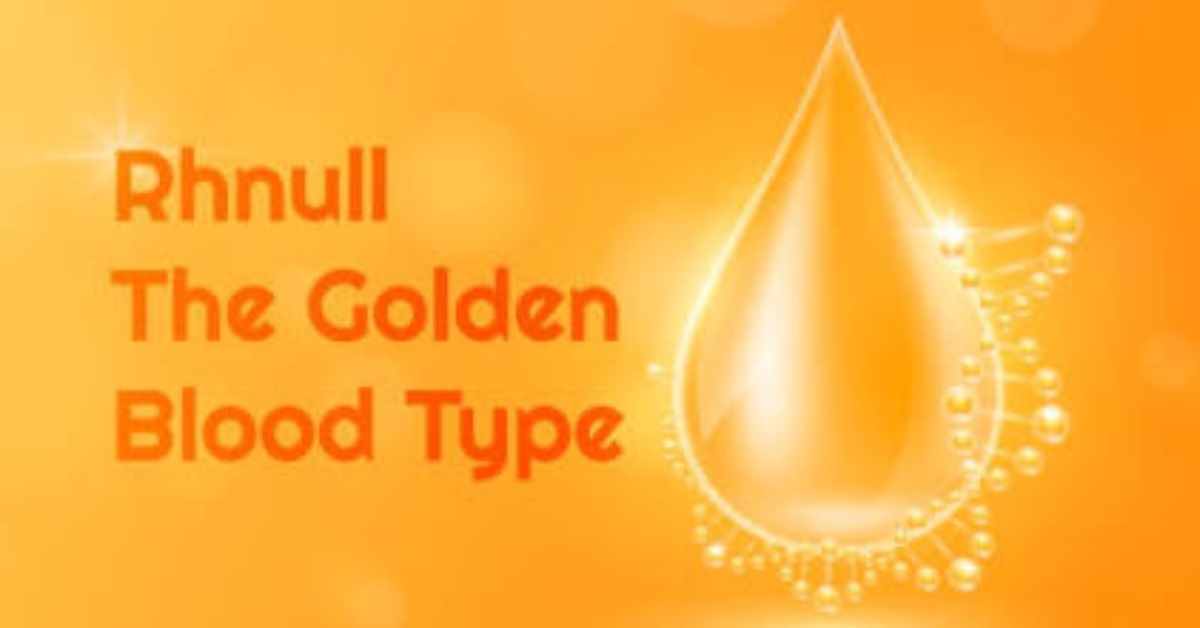
The rarest blood type in the world is Rh-null, often nicknamed “golden blood.”
Rh-null blood lacks all Rh antigens, making it one of the rarest biological traits known in humans. Fewer than 50 people worldwide are believed to have it.
Because Rh-null blood is compatible with many rare Rh blood types, it is incredibly valuable for transfusions involving complex cases. At the same time, people with Rh-null blood can usually receive blood only from other Rh-null donors, which makes emergencies especially challenging.
Why Is Rh-null So Rare?
Rh-null occurs because of inherited genetic mutations that prevent Rh antigens from appearing on red blood cells.
For someone to inherit this blood type, they typically must receive rare mutated genes from both parents. Since these genes are extremely uncommon, the condition is exceptionally rare worldwide.
What Is the Rarest Blood Type Besides Rh-null?
If we exclude Rh-null, AB negative is generally considered the rarest among the standard ABO blood groups.
Only about 1% of the global population has AB negative blood. In some countries, the percentage is even lower.
That’s why many people searching what is the rarest blood type AB negative often come across discussions about blood shortages and donation campaigns.
Characteristics of AB Negative Blood
AB negative blood has some unique transfusion properties:
- It can receive blood from all negative blood types
- Plasma from AB blood is highly valuable
- Finding compatible donors can still be difficult due to rarity
Because of its scarcity, hospitals often encourage regular donations from AB negative individuals.
What Is the Rarest Blood Type in the United States?
In the United States, AB negative remains one of the least common standard blood types.
Here’s a general estimate of rare blood type distribution in America:
- AB negative
- B negative
- AB positive
- A negative
O positive remains the most common blood type in the US, while O negative is especially important because it’s considered the universal donor for emergency red blood cell transfusions.
What Makes a Blood Type Rare?
Several factors determine blood type rarity.
Genetics
Blood type inheritance depends entirely on genetics passed from parents to children. Certain gene combinations occur less frequently in the population.
Ethnic Background
Some blood types are more common in specific regions or ethnic groups. For example:
- B blood types are more common in parts of Asia
- O blood types are common in Latin America
- Certain rare antigens appear more frequently in isolated populations
Mutations and Rare Antigens
Rare mutations can create unusual blood profiles that hospitals may struggle to match during transfusions.
This is why blood banks maintain rare donor registries around the world.
Why Rare Blood Types Matter
Rare blood types are medically important for several reasons.
Emergency Transfusions
Patients with unusual blood types may face delays in finding compatible blood during emergencies.
Pregnancy Complications
Blood incompatibility between mother and baby can lead to serious conditions if not monitored properly.
Chronic Illness Treatment
People requiring regular transfusions, such as those with blood disorders, may develop antibodies that make matching blood increasingly difficult.
Rare Blood Type List Explained
People often search for what is the rarest blood type list to understand how blood groups compare. While exact rankings vary by country, this is a simplified overview from rarest to most common among standard blood groups:
- AB negative
- B negative
- AB positive
- A negative
- O negative
- B positive
- A positive
- O positive
Rh-null sits outside this list because it is far rarer than any standard ABO blood type.
Is Having a Rare Blood Type Dangerous?
Having a rare blood type is not inherently dangerous. Most people with rare blood types live completely normal lives.
The main concern arises during:
- Medical emergencies
- Major surgeries
- Blood transfusions
- Pregnancy complications
That’s why doctors encourage people with rare blood types to donate regularly and keep medical records updated.
How Do You Find Out Your Blood Type?
Many people don’t know their blood type until they:
- Donate blood
- Have surgery
- Undergo pregnancy testing
- Receive routine medical exams
You can also request a blood typing test through healthcare providers or blood donation organizations.
Why Blood Donation Is So Important
Rare blood donors can literally save lives. Since uncommon blood types are difficult to match, blood banks rely heavily on regular donors.
Benefits of donating blood include:
- Helping trauma patients
- Supporting cancer treatments
- Assisting surgical procedures
- Maintaining emergency blood supplies
For rare blood types, every donation can make a major difference.
Fascinating Facts About Rare Blood Types
Here are some surprising facts about uncommon blood groups:
- Rh-null blood is sometimes called “golden blood”
- Less than 1% of people have AB negative blood
- O negative is the universal red cell donor
- Some rare blood types are unique to certain families
- Blood type research continues to uncover new antigens
FAQs About Rare Blood Types
What is the rarest blood type to have?
Rh-null is considered the rarest blood type ever identified in humans.
What is the rarest blood type among humans?
Among standard ABO blood groups, AB negative is usually the rarest.
What is the rarest blood type on Earth?
Rh-null is widely recognized as the rarest blood type on Earth because fewer than 50 known individuals have it.
What is the rarest blood type in humans?
The answer depends on classification. Rh-null is the rarest overall, while AB negative is the rarest common ABO blood type.
Is O negative rare?
Yes, O negative is relatively rare, but it is more common than AB negative. It is highly valuable because it can be donated to nearly anyone in emergencies.
Can rare blood types affect health?
Usually no. The main challenge is finding compatible blood if a transfusion is needed.
What is golden blood?
Golden blood is the nickname for Rh-null blood because of its extreme rarity and medical value.
Conclusion
So, what is the rarest blood type in the world? The answer is Rh-null, an exceptionally uncommon blood type found in only a tiny number of people worldwide. Among the standard ABO groups, AB negative is considered the rarest.
Understanding rare blood types highlights how complex and fascinating human biology really is. It also shows why blood donation matters so much, especially for patients who rely on rare matches during medical emergencies.
If you know your blood type, consider becoming a regular donor. One donation could help save someone whose life depends on finding the perfect blood match.